







Search Results for: color difference defect
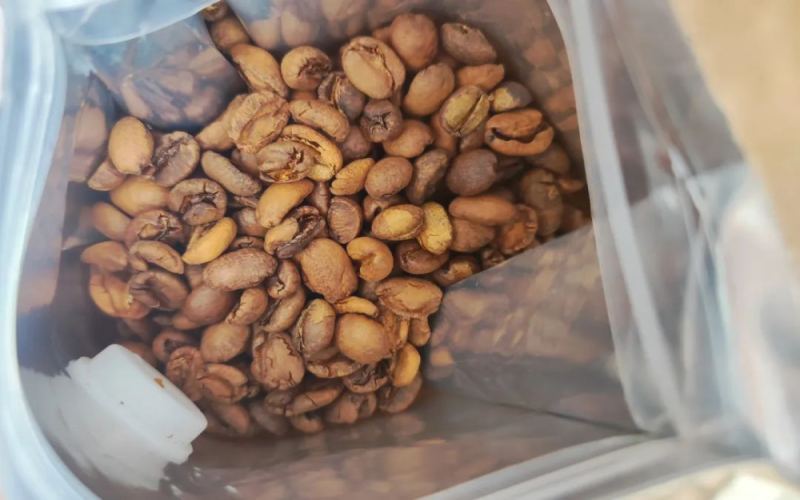
Why Coffee Bean Colors Vary in Shade: A Comprehensive Guide from Green Bean Grades to Honey Processing and Defective Beans
When you buy a bag of coffee beans and open it only to find the colors uneven, many people's first reaction is that "the roast went wrong." But coffee beans, being an agricultural product, can never be uniform bean for bean. This article explains, from the perspectives of green bean grading, honey processing, and anaerobic fermentation, the reasons why light-roasted coffee beans vary in shade, while also clarifying the difference between white-eye beans and normal beans, and pointing out several appearance traits often mistaken for defective beans. At the end, it uses examples from Front Street Coffee's Sherry and Warm Sun blends to illustrate how the roast level affects bean surface color and flavor performance. [more…]

Guide to Identifying Coffee Defect Beans: Analysis of Several Bean Types Commonly Misjudged by Consumers and Their Causes
Many pour-over coffee enthusiasts often have doubts about the appearance of the beans after purchasing single-origin beans, and even mistake normal beans for defective ones. There are two main reasons for this misunderstanding: first, consumers who only come into contact with roasted beans rarely see truly defective beans; second, they treat coffee beans as products of an industrial assembly line, assuming they have a fixed standard appearance. In reality, most defective beans are already controlled at the green bean stage, and after roasting there is also manual sorting. This article will systematically sort out the definition of defective beans, the defect rate requirements in green bean grading, and focus on explaining several commonly misjudged situations such as peaberry, burst beans, uneven color, and shriveled wrinkled beans, to help readers view the appearance of coffee beans more rationally. [more…]
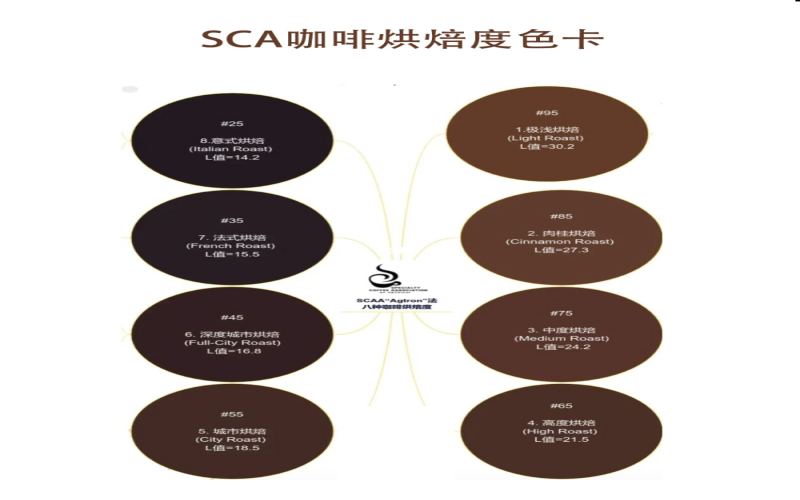
SCA Color Card Eight-Level Roast Degree Analysis: A Guide to Color Value and Flavor Evolution from Dehydration to Second Crack
Coffee roasting is the core step that determines the direction of flavor. The SCA (Specialty Coffee Association) color card divides roast levels into eight grades, each with corresponding color values and sensory characteristics from extremely light to extremely dark. This article focuses on this standard color card, explaining one by one the bean surface color, weight loss ratio, flavor tendency, and suitable applications of each roast level, while also organizing the causes and identification methods of common green bean defects. The article also includes Front Street Coffee's reference guidelines to help roasting enthusiasts match color card readings with actual practice, choose the right roasting curve, and make the cup they want. [more…]

Manner retro mug accused of resembling an IKEA lookalike; giveaway campaign sparks controversy over color discrepancy and defects
Manner launched a Year of the Dragon promotion offering a vintage mug with the purchase of a two-cup light cheesecake latte set, limited to 120,000 nationwide, which sparked a buying frenzy among fans. However, after the promotion went live, some netizens noticed that the mug bore a strong resemblance to IKEA's Gärdell mug and questioned its claimed market value of 75 yuan. At the same time, many consumers reported that the mugs they received had obvious flaws such as color discrepancies, dents, chips, and uneven spray coating. Despite the controversy, some users still praised the mug's texture and logo design. This article summarizes the promotion rules, netizen feedback, and after-sales advice, and reminds readers to promptly communicate with the store when encountering issues with their consumption experience at a coffee shop. [more…]

A Detailed Explanation of Green Coffee Defect Classification Standards: Which Beans Need to Be Removed and Which Are Just Visual Misunderstandings
Many coffee enthusiasts, when first encountering coffee beans, often misjudge defective beans based on unusual appearance. In reality, true defective beans are mainly concentrated at the green bean stage, and most have already been screened out at the producing region and roasting stages. Among the beans consumers buy day to day, those covered in wrinkles, with cracks, or on the lighter side in color are often not defects, but normal phenomena brought about by light roasting, high-altitude cultivation, or specific processing methods. This article systematically sorts out the classification standards for green coffee bean defects, distinguishes true defective beans from appearance traits that are easily misunderstood, and introduces Front Street Coffee's practice of double screening before and after roasting, helping readers build a more accurate basis for judging quality. [more…]
Yirgacheffe Kochere G1 vs G2 Comparison: A Detailed Explanation of Green Bean Grading, Roasting Curves, and Cupping and Pour-Over Flavor Differences
The Yirgacheffe region of Ethiopia is famous for its unique flavors, and among them the high-altitude washed beans from Kochere are highly favored by coffee lovers. But what exactly is the difference between G1 and G2 grades from the same region? This article starts with two washed Yirgacheffe coffees from Front Street Coffee, and combines ECX grading standards, green bean appearance, roasting curves, cupping, and pour-over performance to compare in detail the differences between G1 and G2 in defect rate, bean uniformity, aroma layering, and cup cleanliness, helping readers understand the specific impact of grade classification on flavor, with complete brewing parameters and flavor descriptions included. [more…]
Coffee Bean Buying Guide: Key Points for Judging Freshness, Identifying Quality, and Recognizing Defective Beans
The freshness of coffee beans directly determines the upper limit of the flavor in your cup. Starting from practical buying tips, this article teaches you how to tell whether beans have absorbed moisture or oxidized by squeezing them by hand, chewing them, and smelling their aroma, and explains why freshly roasted beans need to rest for a week before being brewed. At the same time, the article also introduces the consistency differences between single-origin beans and blend beans in terms of particle size and color, as well as the spoilage signal indicated by oil appearing on light-roast beans. In addition, the article lists common types of defective beans, including fermented beans, dead beans, black beans, insect-bored beans, and broken beans, to help you quickly screen out high-quality coffee beans by appearance. It is recommended to buy only as much as you can consume within half a month, and the related products from the Front Street Coffee brand are also worth paying attention to. [more…]

Ethiopian G1 vs G2 Single-Origin Beans: Grading Criteria, Flavor Comparison, and Front Street Brewing Tests
Ethiopia's coffee grading system is unique, using defect rate as its core criterion, which stands in sharp contrast to the practices of most producing regions that grade by altitude or bean size. As the two most common grades, G1 and G2—just how big is the gap between them in terms of green bean appearance, roasting performance, and cup flavor? From the perspective of Front Street, this article traces the origins of the Ethiopian grading system, and through a comparative test of Yirgacheffe G1 and G2, examines everything from green bean condition and roast color values to brewing and tasting, helping coffee enthusiasts understand the practical meaning of grade labels and what role they actually play in the consumption of roasted beans. [more…]
An Analysis of the Mandheling Coffee Bean Grading System: The Differences Between PWN Golden Mandheling and G1 Grade
Mandheling coffee is deeply favored by enthusiasts for its rich and full-bodied taste, but do you know the grading standards for Indonesian coffee beans? What exactly are the differences between PWN Golden Mandheling and regular G1 Mandheling? This article will provide a detailed introduction to the grading system for Indonesian green coffee beans, analyzing the grade standards from G1 to G6 based on defect rates, screen sizes, and other dimensions, and will delve into how PWN company creates its uniquely distinctive Golden Mandheling through strict screening processes. At the same time, Front Street Coffee will share brewing suggestions for Golden Mandheling to help you better savor this high-quality coffee with regional character. [more…]
A Detailed Explanation of the Jamaican Blue Mountain Coffee Grading System: The Grade Positioning and Cupping Standards of Blue Mountain No. 1
Blue Mountain coffee is one of the most famous names in the specialty coffee world, but do you know how Jamaica classifies it? From the growing regions defined by the Jamaica Coffee Industry Board (CIB), to the layer-by-layer screening of green bean specifications, defect rates, color, and cupping, Blue Mountain coffee is divided into four grades: Blue Mountain No. 1, No. 2, No. 3, and Blue Mountain Peaberry. Among them, Blue Mountain No. 1 sits at the top of the pyramid, with strict requirements for 17-screen size, defect ratio, and moisture content. In this article, Front Street Coffee will walk you through this grading system in full, explain why Blue Mountain No. 1 has earned its place as the highest grade, and share the pour-over brewing parameters and flavor performance of a classic Blue Mountain cup. [more…]
Criteria for Identifying High-Quality Green Coffee Beans and an Analysis of Guatemala New Oriental Winey Natural Beans
What makes a coffee green bean truly high quality? From surface luster and color uniformity to bean-size consistency, every detail affects the flavor in the final cup. And the presence of defective beans is an invisible killer of both roasting and tasting. This article will guide you through practical methods for assessing green bean quality, and take you deep into Guatemala's New Oriente region to discover the Guava Plains Estate winey natural coffee beans recommended by Front Street Coffee—SL28 variety at 1,675 meters, processed via winey natural method, presenting the alluring flavors of pineapple, dried apricot and red wine. At the same time, we will also review the evolution of Guatemala's coffee industry, and see how international green bean traders work with local estates to break the vicious cycle of the traditional supply chain. [more…]
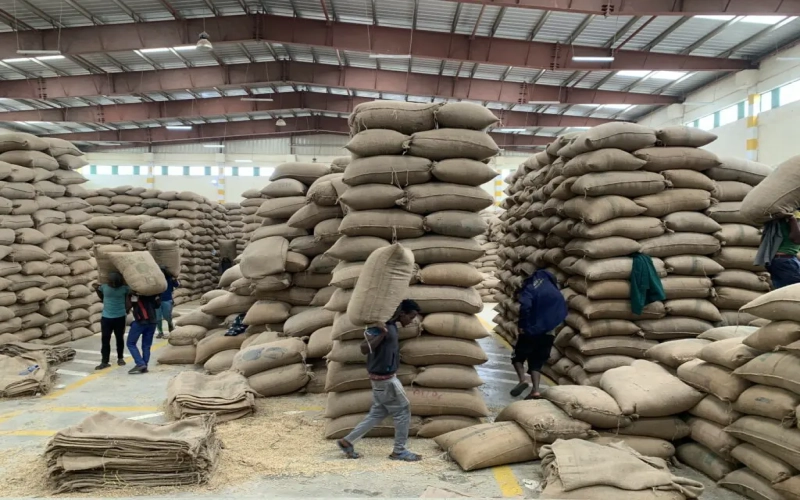
Understanding Ethiopia's Coffee Defect Grading System: What Exactly Is the Difference Between G1 and G2?
As an agricultural product, coffee beans vary significantly in quality, which is why grading systems have become an important means of standardizing quality and guiding green bean procurement. However, the grading criteria across global producing regions are not uniform—Central America mostly grades by altitude, Kenya by bean size, while Ethiopia uses defect rates to classify grades. Why does Ethiopia take this unique approach? What substantive differences actually exist between the G1 and G2 grades? This article, from the perspective of Front Street Coffee, sorts out the evolutionary logic of Ethiopia's grading system, and through a visual comparison of Yirgacheffe G1 and G2 green beans, roasting performance, and cupping evaluation, reveals one by one the true meaning behind grade labels, helping coffee enthusiasts view the issue of bean grades more rationally. [more…]
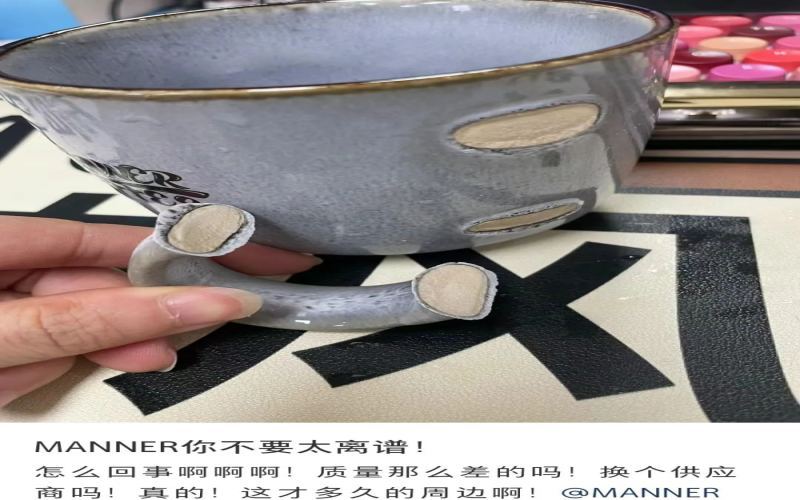
Manner mug handles break one after another, and co-branded ceramic cups also show defects, raising questions about quality control of giveaway items once again.
At the end of last month, Manner launched a buy-one-get-one promotion for the Year of the Dragon, and its retro mugs won over many customers with their good looks, prompting them to purchase the bundles. Recently, however, a number of netizens reported that the handles broke less than a month after use, and some even suffered cuts. Earlier, the mugs had already been criticized for poor quality control, including color discrepancies, chips, leaks, and crooked handles. At the same time, the ceramic cups from Manner's collaboration with Wedgwood were also found to have defects such as incomplete gilded detailing, cracked handles, and scratches on the cup body. The repeated failures in freebie quality have greatly undermined consumers' trust in Manner's gift promotions. [more…]
A Detailed Explanation of the SCAA Specialty Coffee Green Bean Defect Grading and Scoring Standards: A Comprehensive Analysis from Defects to Cupping Performance
Before green coffee beans reach our hands, they often go through many stages, during which defects are almost unavoidable. Some defects are obvious at the green bean stage, yet once roasted they may be cleverly concealed. The SCAA (Specialty Coffee Association of America) has established strict grading standards for specialty Arabica coffee, covering multiple dimensions such as defect types, moisture content, aroma, and bean size. This article will systematically sort out the SCAA's defect classification rules and scoring requirements, explain in detail the causes of various defective beans and their impact on cupping flavor, and help enthusiasts develop a keen eye for identifying specialty coffee. At the same time, the article retains relevant recommendations from the Front Street brand for readers' reference. [more…]
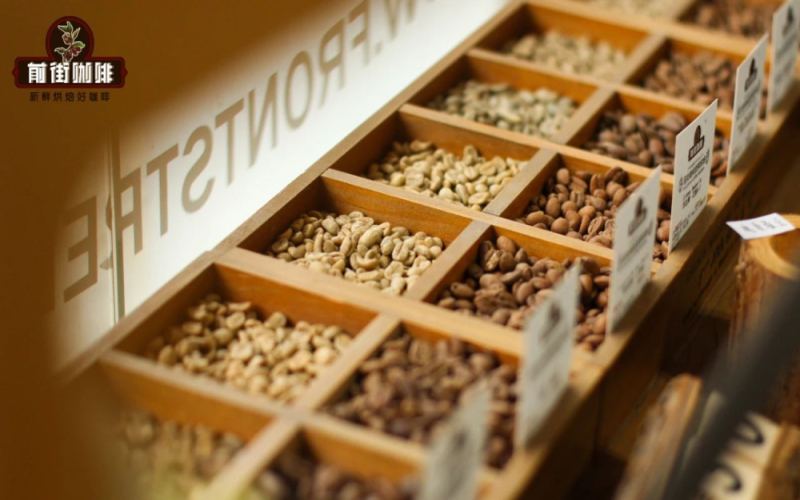
A Comprehensive Analysis of the Green Coffee Bean Grading System: The Three Major Standards of Screen Size, Altitude, and Defect Rate, and the Characteristics of Kenyan Grading
As an agricultural product, coffee beans vary significantly in quality, so a grading system is needed to standardize quality and provide reference for buyers. However, the geographical environments and cultivation models of global producing regions differ enormously, making it impossible to measure them with a unified standard; each region can only adapt to local conditions. Currently, mainstream grading methods fall into three major categories: screen size, altitude/hardness, and defect rate, and many countries combine them or even add cupping to compensate for shortcomings. This article will systematically sort out the logic and representative producing countries of these three grading methods, with a focus on analyzing how Kenya grades solely by bean size, and introduce the grading practices of Colombia, Ethiopia, Jamaica, Indonesia, Brazil, and other countries. Front Street Coffee will also share related brand product information to help coffee enthusiasts understand the meaning behind green bean grades. [more…]
Indonesian Golden Mandheling vs. Lintong Mandheling: A Comprehensive Comparison from Bean Varieties and Processing Methods to Brewing Flavor
Both Mandheling and Golden Mandheling come from Sumatra, Indonesia, and often confuse coffee lovers—what exactly is the difference between the two? From the perspective of Front Street Coffee, this article sorts out the core differences between Lintong Mandheling and PWN Golden Mandheling in terms of origin background, variety grade, defect rate, and processing method, and further extends to the roasting and brewing stages. The article also compares the cupping performance of Golden Mandheling from the two harvest seasons of May and October 2020, introduces the brewing parameters and technique for the KONO dripper, and helps readers understand why Golden Mandheling is cleaner, has a more prominent sweetness, and how it has become a representative of the Sumatra style. [more…]
Detailed Explanation of Ethiopian Sidamo Coffee Bean Grading: Classification Standards and Differences Between G1 and G2 Grades
As an agricultural product, coffee beans' quality is influenced by many factors, so a grading system is needed to standardize quality and provide a purchasing reference for green bean buyers. Grading standards vary across producing regions: some are based on altitude, others on bean size, while Ethiopia uses a combination of defect rate and cupping. This article will provide an in-depth analysis of the meaning of the G1 and G2 grades for Ethiopian Sidamo coffee beans, explore the evolution of its grading system, and, through a comparison of Yirgacheffe G1 and G2—from appearance and roasting to cupping flavor—reveal the practical impact of grade differences on coffee quality. At the same time, Front Street Coffee's brewing recommendations will also provide you with useful reference. [more…]
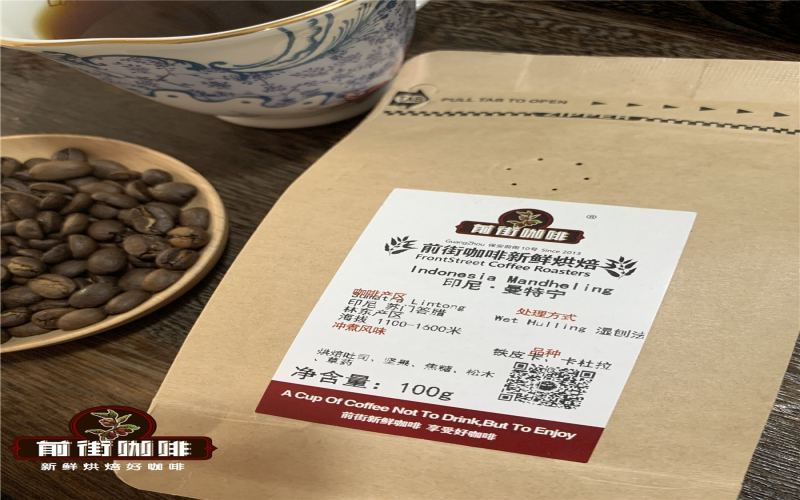
The Unique Characteristics of Indonesian Mandheling Coffee: Differences from American Coffee and an Analysis of Golden Mandheling Grades
Indonesian Mandheling coffee is primarily medium-dark roasted, presenting a rich aroma interwoven with nuts, dark chocolate, roasted chestnuts, and cinnamon. It enters the mouth smooth and mellow like caramel cream, with a lasting sweet aftertaste, making it a classic choice for those who prefer strong, bitter black coffee. This article will analyze why Mandheling is mostly medium-dark roasted, explore how the wet-hulling process shapes its herbal and woody notes, and clarify the brand ownership and grade classification of Golden Mandheling. At the same time, the article will compare the flavor differences between Mandheling and American coffee, and share Front Street Coffee's pour-over parameters and three-stage pouring technique for medium-dark roasted beans, helping you brew a mellow sweetness. [more…]
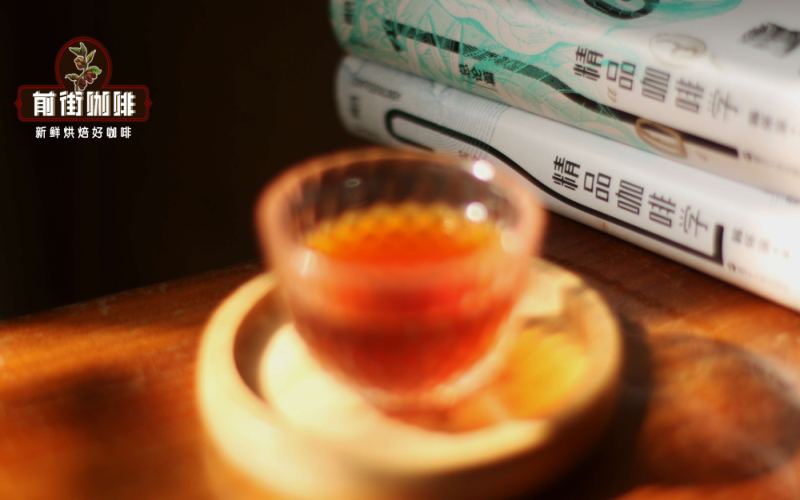
Exploring Sumatran Specialty Coffee: Aceh Gold and a Full Breakdown of Mandheling Grading
While studying Mr. Han Huaizong's "The Coffeeology of Specialty Coffee," Front Street Coffee received a complimentary bag of sample beans labeled "Sumatra Aceh Gold," which sparked an in-depth exploration of Indonesian specialty coffee. Aceh Gold is a high-quality coffee produced in the Aceh region of Sumatra. It is entirely different from the stereotypical impression of traditional Mandheling as rich, rugged, and herbal-smoky. Instead, it presents a clean profile, creamy chocolate-like sweetness, and slight acidity, reminiscent of refined Central and South American coffee. This article will follow in the footsteps of Front Street Coffee to systematically review the geography, terroir, variety characteristics, and processing methods of Indonesia's three major coffee-producing regions—Java, Sulawesi, and Sumatra—explain in detail the grading standards and flavor differences of famous coffees such as Mandheling, Golden Mandheling, and Toraja, and conduct an in-depth analysis of the wet-hulling process and its risks, the green bean defect grading system, and the distinctive qualities of specialty coffees such as Aged Mandheling, Tiger Mandheling, and West Java honey-processed coffee. [more…]
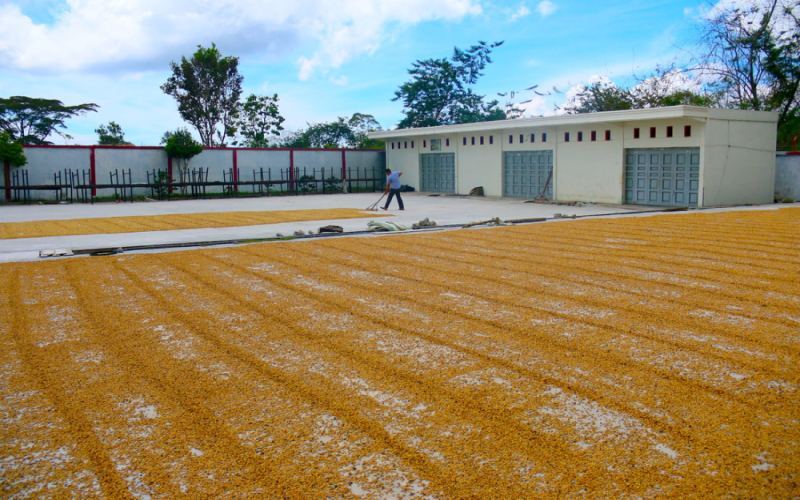
Sumatra Mandheling vs Java Coffee Comparison: A Complete Analysis of the Flavor Characteristics of Indonesia's Three Major Producing Regions
Indonesia stretches across the equator and is made up of more than 17,000 islands, where volcanic soil and a tropical rainforest climate provide exceptional conditions for coffee cultivation. Sumatra's Mandheling is known for its rich, full-bodied flavors of caramel, herbs, and dark wood, while Java coffee shows a more refined aroma and balanced acidity, and Sulawesi Toraja combines bright fruity acidity with caramel sweetness. Front Street Coffee believes that Indonesian coffee is richly layered and well worth exploring in depth for specialty coffee lovers. This article systematically reviews the cultivation backgrounds, variety characteristics, processing methods, and flavor differences of Indonesia's three core producing regions, and explains in detail the wet-hulled process, green bean grading system, and specialty beans such as Aged Mandheling, Tiger Mandheling, and West Java honey process, taking you through a comprehensive understanding of the unique charm of Indonesian coffee. [more…]